Moxibustion Therapy at Hope TCM: Heat Healing
Introduction: What is Moxibustion?
Sometimes, what we need most is warmth. Not just the physical heat of a blanket, but a deep, penetrating energy that reignites our internal fire. In Traditional Chinese Medicine (TCM), this is exactly what Moxibustion offers.
Moxibustion, or "Moxa," is a therapy that involves burning dried mugwort (Artemisia argyi) on or near specific acupuncture points. Mugwort is a powerful herb known in herbal medicine for its ability to stimulate circulation and flow. When dried and burnt, it produces a unique frequency of heat that penetrates deeply into the body, entering the Meridians (energy pathways) to dispel cold, dampness, and stagnation.
The goal of Moxa is simple yet profound: to strengthen the blood, stimulate the flow of Qi (vital energy), and maintain general health. It is the perfect counterbalance to our modern, often sedentary and air-conditioned lives, offering a nurturing boost to your body's natural vitality.
Our Techniques
At Hope TCM Clinic, we use several methods of Moxibustion, tailoring the technique to your specific needs and comfort level.
Indirect Moxa
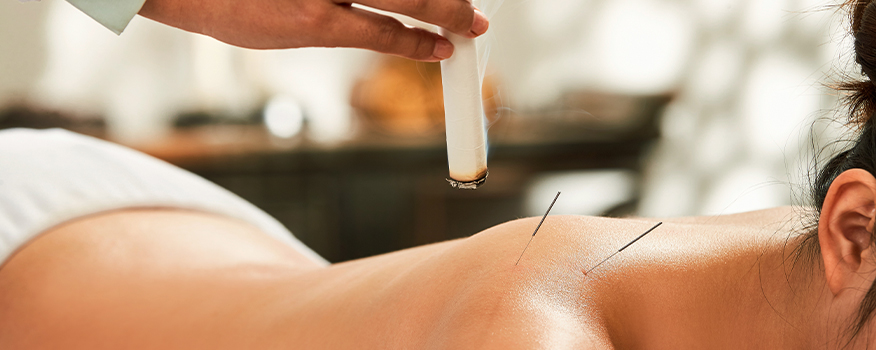
This is the most common form used in the clinic. The practitioner lights one end of a moxa stick, roughly the shape and size of a cigar, and holds it close to the area being treated. The stick never touches the skin, but you will feel a pleasant, intense warmth radiating into the area.
Needle Moxa
Also known as "warming needle," this technique combines the benefits of acupuncture and moxibustion. A small roll of moxa is placed on the handle of an inserted acupuncture needle and ignited. The heat travels down the needle shaft and directly into the acupoint. This is exceptionally effective for deep muscle pain and joint stiffness.
Direct Moxa
In this method, a small, cone-shaped amount of moxa is placed on top of an acupuncture point and burned. In "scarring" direct moxibustion (which is rare in modern Western clinics), the moxa burns to the skin. However, we typically practice "non-scarring" direct moxibustion, where the moxa is extinguished or removed before it reaches the skin, leaving no blister or scar—just a profound sensation of heat.
Primary Uses: When Do We Use Moxa?
Moxibustion is incredibly versatile, but it shines brightest when treating "cold" or "deficient" conditions where the body lacks the energy to function optimally.
Cold & Stagnation Conditions
If you are someone who always feels cold, has cold hands and feet, or finds that your pain gets worse in winter, Moxa is your best friend. It is widely used for:
- Arthritis and Joint Pain: Especially when the pain feels worse in damp or cold weather.
- Muscle Tension: The heat relaxes tightness and spasms.
- Poor Circulation: Warming the meridians encourages blood flow to extremities.
Digestive Health
A "cold" digestive system is sluggish. Moxa applied to the abdomen adds heat to the "digestive fire," helping to metabolize food more efficiently. It is excellent for:
- Chronic diarrhea or loose stools
- Abdominal bloating and pain
- General weakness and fatigue after eating
Women's Health & Fertility
Moxibustion is deeply nourishing for the reproductive system. By warming the womb and moving blood, it supports:
- Menstrual Cramps: Relieving the sharp, fixed pain associated with stagnation.
- Irregular Cycles: Helping to regulate the flow.
- Fertility: Creating a "warm" and inviting environment for conception.
Breech Baby Correction: One of the most famous and well-researched uses of Moxibustion is for turning breech babies. A specific technique applied to a point on the little toe (Bladder 67) around week 34-36 of pregnancy has been shown to encourage the baby to turn into the correct head-down position. It is non-invasive, safe, and gentle.
The Experience: A Moment of Warmth
Patients often describe Moxibustion as one of the most comforting parts of their treatment. As the heat penetrates, you may feel a sense of immediate relaxation, as if a tight knot is finally unravelling.
There is also the scent. Burning mugwort has a distinct, earthy, herbal fragrance—similar to sage. Many find this scent grounding and calming, adding an aromatherapy element to the session. (Note: We use high-quality, smoke-minimized moxa for sensitive patients, but the herbal aroma is part of the traditional experience).
Safety & Contraindications
While Moxibustion is safe, it involves heat and fire, so it must be performed by a trained professional to prevent burns. At Hope TCM, your safety is paramount. We closely monitor the heat intensity and communicate with you constantly to ensuring it remains "pleasantly hot" but never painful.
Because Moxa adds heat to the body, it is generally not used if you have signs of "Excess Heat," such as:
- High fever
- Acute inflammation with redness and swelling
- Rapid pulse or severe thirst
Post-Treatment & Aftercare
Moxibustion adds heat to the body and opens the pores to expel cold. To maintain this warmth and prevent cold from re-entering, we recommend:
- Keep Warm: This is crucial. Your pores are open after moxibustion. Avoid direct exposure to drafts, air conditioning, or cold winds for at least 4 hours after treatment. Keep the treated area covered.
- Stay Hydrated: Drink warm water or herbal tea to support the movement of Qi and Blood. Avoid ice-cold drinks immediately after treatment.
- Rest: Allow your body to absorb the warmth and energy. Avoid intense physical activity or sweating profusely right after the session.
Ignite Your Healing Journey
Whether you are seeking relief from chronic pain, looking to support your fertility journey, or simply need to warm up from the inside out, Moxibustion is a powerful ally. It is effectively a way to recharge your life batteries.
Curious if Moxibustion is right for you? Book a consultation at Hope TCM Clinic today, and let us help you rediscover your natural warmth and vitality.
Frequently Asked Questions
Does moxibustion burn the skin?
We primarily use "indirect moxibustion," where the burning herb never touches your skin. You should feel a pleasant, deep warmth. If it ever becomes too hot, simply tell your practitioner, and we will immediately adjust the distance. We are very careful to ensure your safety and comfort.
What does moxa smell like?
Moxa is made from dried mugwort, so when it burns, it smells like a blend of sage and herbal incense. Many patients find the scent grounding and relaxing. If you are sensitive to smoke, we also have smokeless charcoal moxa options available.
Is moxibustion good for turning a breech baby?
Yes, it is a well-researched technique with a high success rate (often cited around 70-80%). We stimulate a specific point on the toe (Bladder 67) to encourage fetal movement. It is best performed between weeks 33 and 36 of pregnancy.
Can I do moxibustion at home?
For certain chronic conditions or breech baby protocols, we may teach you how to safely use a moxa stick at home to continue your treatment daily. We will provide you with the tools and specific instructions on how to do this safely.
Why is smoke used in the treatment?
In traditional theory, the smoke itself contains volatile oils that have therapeutic properties—expelling dampness and pathogens. However, the heat is the primary healing agent, which is why smokeless moxa is equally effective for warming the channels.
Related Treatments
You may also be interested in these complementary treatments:
- Acupuncture – Often combined with moxibustion for optimal results
- Herbal Formulas – Internal warming support
- Cupping Therapy – Release stagnation and improve circulation
- View All Treatments