Cupping Therapy at Hope TCM: Pain Relief & Detox
Introduction
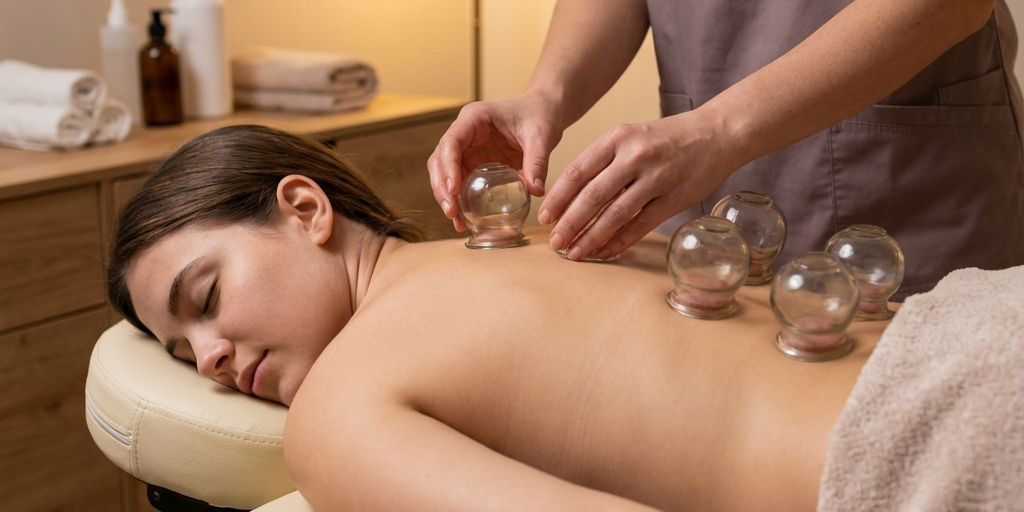
At Hope TCM Clinic, we often describe cupping as a "reverse massage." While a typical massage pushes down into the muscles to relieve tension, cupping uses suction to pull the skin, fascia, and muscles upward. This negative pressure is what makes cupping so unique and effective.
By creating space within the tissue layers, cupping encourages fresh blood flow to areas of stagnation, loosens tight muscles, and sedates the nervous system. It is an ancient therapy that feels surprisingly modern—providing a deep sense of release that is hard to achieve with other methods.
Types of Cupping
We use several different cupping techniques depending on your specific needs and comfort level:
- Fire Cupping: The traditional method where a flame is briefly inserted into a glass cup to create a vacuum before placing it on the skin. The warmth from the fire adds a soothing element to the therapy.
- Pump Cupping: Uses plastic cups with a manual suction pump. This allows for very precise control over the amount of pressure used, making it great for sensitive areas.
- Sliding Cupping: Oil is applied to the skin first, allowing the cups to glide over large muscle groups (like the back). It feels like a deep tissue massage and is excellent for myofascial release.
Benefits of Cupping
Patients mostly seek cupping for pain relief, but its benefits extend far beyond that:
- Deep Tissue Release: Excellent for chronic back pain, stiff shoulders, and tight neck muscles.
- Pain Relief: The suction helps to break up adhesions and knots, providing immediate relief from musculoskeletal pain.
- Detoxification: By bringing old, stagnant blood to the surface, cupping helps the lymphatic system clear out cellular waste and potential toxins.
- Respiratory Health: It is traditionally used to treat the early stages of colds and flu, helping to clear congestion and "release the exterior" pathogen.
The "Marks" (Sha)
One of the most distinctive features of cupping is the circular marks it leaves behind, known in Chinese Medicine as "Sha." It is important to clarify that these are not bruises. A bruise is caused by impact trauma breaking capillaries; Sha is the result of suction drawing toxins, cellular waste, and stagnant blood ("dead blood cells") from deep within the tissue to the surface where the lymphatic system can flush them away.
The colour of the marks tells a story about what is happening inside your body:
- Light Red: Indicates mild stagnation or recent injury.
- Dark Red / Purple: Suggests long-standing stagnation, chronic pain, or accumulation of toxins.
- Pale / No Mark: Can indicate vitality deficiency or poor circulation.
These marks are temporary and typically fade within 2 to 7 days. They are rarely painful, though they may look intense!
Post-Treatment & Aftercare
Most patients describe the feeling after cupping as being "lighter and looser," as if a weight has been lifted from their shoulders. To get the most out of your session, we recommend:
- Stay Hydrated: Drink warm water to help your lymphatic system flush out the released toxins.
- Keep Warm: Your pores are open after cupping. Keep the treated area covered and avoid cold drafts or air conditioning for 4 hours.
- Rest: Allow your body time to recuperate and integrate the changes.
Frequently Asked Questions
Does cupping therapy hurt?
It is generally not painful, but the sensation is unique. You will feel a tight, suction sensation like a focused deep-tissue massage. Most patients find it satisfyingly intense and deeply relieving rather than painful. We can always adjust the pressure to your comfort level.
Why does cupping leave marks and are they bruises?
The circular marks ("Sha") are not true bruises caused by blunt trauma. They are a therapeutic result of drawing old, stagnant blood and metabolic waste to the surface so your lymphatic system can flush them away. Darker marks often indicate areas of deeper tension or stagnation.
How long do the cup marks last?
The marks typically fade within 3 to 7 days, depending on your body's circulation. If you have an event (like a wedding) where your back will be exposed, please let us know beforehand so we can use a lighter technique.
Can I shower after cupping?
We recommend waiting at least 4-6 hours before showering. Your pores are wide open after treatment, and exposing them to hot water or cold drafts immediately can cause muscles to seize up or "wind" to enter the body.
What is the difference between cupping and massage?
Think of massage as "pushing" tissue to release tension, while cupping is "pulling." Cupping lifts the skin and muscles, creating space for blood flow and separating stuck tissue (fascia) layers in a way that regular massage cannot achieve. It is often more effective for deep, stubborn knots.
Conclusion
Cupping therapy is a powerful way to "unblock and release" tension that has been held in your body for months or even years. If you are looking for a natural way to relieve deep-seated pain and revitalize your energy, book a session with us at Hope TCM Clinic today.
Related Treatments
You may also be interested in these complementary treatments:
- Acupuncture – Often combined with cupping for enhanced pain relief
- Gua Sha – Another effective detoxification technique
- Moxibustion – Warming therapy to complement cupping
- View All Treatments